Building Community Connections for Veterans' Success
- foxtrotuniformvets
- Jun 5
- 4 min read
Veterans face unique challenges when transitioning back to civilian life. The journey can be daunting, filled with obstacles that can hinder their success. However, one of the most effective ways to overcome these challenges is through community connections. Building a strong support network can significantly enhance a veteran's ability to thrive in their post-military life. In this blog post, we will explore the importance of community connections for veterans, practical ways to foster these connections, and real-life examples of successful initiatives.
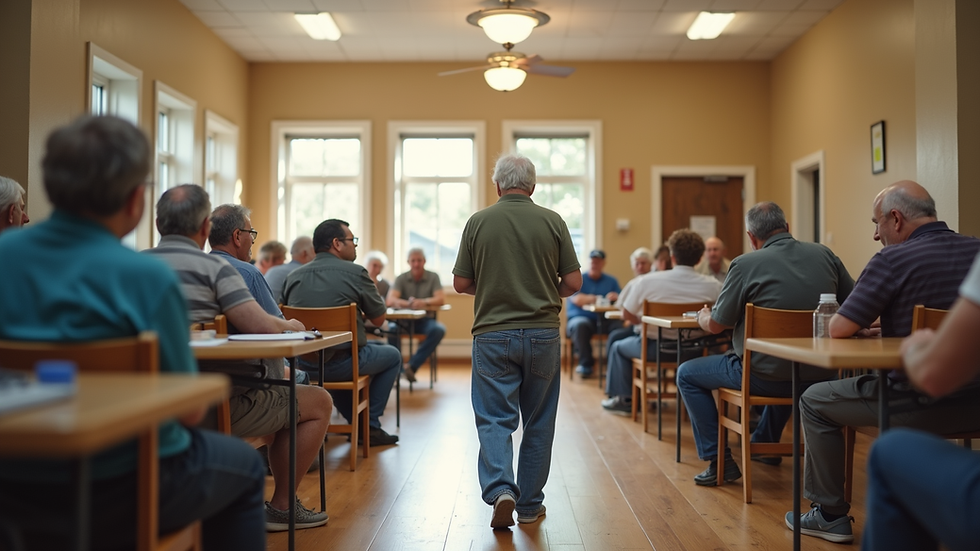
Understanding the Importance of Community Connections
Community connections provide veterans with a sense of belonging and support. These connections can take many forms, including friendships, mentorships, and professional networks. Here are some key reasons why these connections are vital for veterans:
Emotional Support
Transitioning from military to civilian life can be emotionally challenging. Veterans often experience feelings of isolation and loneliness. Community connections can provide a support system that helps veterans navigate these feelings. Engaging with others who understand their experiences can foster a sense of camaraderie and reduce feelings of isolation.
Professional Opportunities
Networking within the community can open doors to job opportunities. Many veterans possess valuable skills and experiences that can be leveraged in the civilian workforce. By connecting with local businesses and organizations, veterans can find job leads, mentorship, and even training programs tailored to their needs.
Access to Resources
Communities often have resources specifically designed to support veterans. These can include access to healthcare, educational programs, and financial assistance. By building connections within the community, veterans can learn about these resources and how to access them effectively.
Practical Ways to Foster Community Connections
Building community connections requires intentional effort. Here are some practical strategies that veterans can use to create and strengthen their networks:
Join Local Veterans Organizations
Many communities have organizations dedicated to supporting veterans. Joining these groups can provide a sense of belonging and a platform for networking. Organizations such as the American Legion or Veterans of Foreign Wars (VFW) often host events, provide resources, and offer opportunities for advocacy.
Participate in Community Events
Engaging in local events is a great way to meet new people and build connections. Veterans can participate in community service projects, local fairs, or sports leagues. These activities not only foster connections but also allow veterans to give back to their communities.
Utilize Social Media and Online Platforms
In today's digital age, social media can be a powerful tool for building connections. Veterans can join online groups and forums that focus on their interests or experiences. Platforms like Facebook and LinkedIn have groups specifically for veterans, where they can share resources, job opportunities, and personal stories.
Attend Workshops and Training Programs
Many organizations offer workshops and training programs designed for veterans. These programs can help veterans develop new skills while also providing opportunities to meet others with similar interests. Whether it's a job training program or a creative workshop, these settings can foster meaningful connections.
Seek Mentorship
Finding a mentor can be incredibly beneficial for veterans. Mentors can provide guidance, support, and valuable insights into navigating civilian life. Veterans can seek mentors through local organizations, professional networks, or even by reaching out to individuals they admire in their desired field.
Real-Life Examples of Successful Initiatives
Several initiatives across the country have successfully fostered community connections for veterans. Here are a few noteworthy examples:
The Mission Continues
The Mission Continues is a nonprofit organization that empowers veterans to continue their service through community engagement. They organize service projects in various communities, allowing veterans to work alongside local residents. This initiative not only helps veterans build connections but also strengthens community ties.
Team Rubicon
Team Rubicon is a veteran-led disaster response organization that mobilizes veterans to assist in disaster relief efforts. By participating in these missions, veterans can connect with one another while making a positive impact in their communities. The shared experience of serving others fosters strong bonds among participants.
Vet Centers
Vet Centers, operated by the U.S. Department of Veterans Affairs, provide a range of services to veterans, including counseling and community engagement opportunities. These centers often host events and activities that encourage veterans to connect with one another and access valuable resources.
Overcoming Barriers to Connection
While building community connections is essential, veterans may face barriers that hinder their ability to engage. Here are some common challenges and strategies to overcome them:
Stigma and Misunderstanding
Some veterans may feel stigmatized or misunderstood by those who have not served. To combat this, communities can work to raise awareness about veterans' experiences and promote understanding. Educational programs and community discussions can help bridge the gap between veterans and civilians.
Transportation Issues
Transportation can be a barrier for veterans who want to participate in community activities. Communities can address this by providing transportation services or organizing events in accessible locations. Additionally, virtual events can offer an alternative for those unable to travel.
Time Constraints
Many veterans juggle multiple responsibilities, including work and family obligations. To accommodate their schedules, communities can offer flexible event times and online participation options. This flexibility can encourage more veterans to engage without feeling overwhelmed.
The Role of Local Businesses
Local businesses play a crucial role in supporting veterans and fostering community connections. Here are some ways businesses can contribute:
Hiring Veterans
Businesses can actively seek to hire veterans, recognizing the unique skills and experiences they bring to the workforce. By creating veteran-friendly workplaces, businesses can help veterans transition successfully into civilian careers.
Sponsoring Events
Local businesses can sponsor events that bring veterans together. Whether it's a job fair, a community service project, or a social gathering, sponsorship can help cover costs and increase participation.
Providing Resources
Businesses can offer resources such as training programs, mentorship opportunities, or workshops tailored to veterans. By investing in the local veteran community, businesses can create a positive impact while also benefiting from the skills veterans bring.
Conclusion
Building community connections is essential for the success of veterans transitioning to civilian life. By fostering relationships, providing support, and creating opportunities, communities can help veterans thrive. Whether through local organizations, events, or online platforms, the possibilities for connection are endless.
As we work together to support our veterans, let us remember that every connection made is a step toward a brighter future. Encourage a veteran you know to engage with their community, and together, we can create a network of support that empowers them to succeed.


Comments