Empowering Veterans Through PTSD Counseling Services
- foxtrotuniformvets
- Jun 5
- 4 min read
Veterans returning from service often face a myriad of challenges, with post-traumatic stress disorder (PTSD) being one of the most significant. The emotional and psychological toll of combat experiences can linger long after the uniform is put away. Fortunately, PTSD counseling services are available to help veterans navigate their mental health challenges and reclaim their lives. This blog post will explore the importance of these services, the types of counseling available, and how they empower veterans on their journey to healing.

Understanding PTSD in Veterans
PTSD is a mental health condition triggered by experiencing or witnessing a traumatic event. For veterans, this often includes combat experiences, military sexual trauma, or other life-threatening situations. The symptoms of PTSD can be debilitating and may include:
Intrusive memories or flashbacks
Avoidance of reminders of the trauma
Negative changes in mood and cognition
Heightened arousal and reactivity
These symptoms can severely impact a veteran's quality of life, affecting relationships, employment, and overall well-being. Understanding the nature of PTSD is crucial for veterans and their families, as it lays the groundwork for seeking effective treatment.
The Role of Counseling Services
Counseling services play a vital role in helping veterans manage and overcome PTSD. These services provide a safe space for veterans to express their feelings, process their experiences, and develop coping strategies. Here are some key benefits of PTSD counseling:
Emotional Support
Counseling offers veterans a supportive environment where they can share their thoughts and feelings without judgment. This emotional support is essential for veterans who may feel isolated or misunderstood.
Coping Strategies
Counselors equip veterans with practical coping strategies to manage their symptoms. These may include mindfulness techniques, grounding exercises, and stress management skills that can be applied in daily life.
Trauma Processing
Through various therapeutic approaches, veterans can work through their traumatic experiences. This process helps them to reframe their memories and reduce the emotional charge associated with them.
Building Resilience
Counseling fosters resilience by helping veterans develop a stronger sense of self and improved emotional regulation. This resilience is crucial for navigating life's challenges and maintaining mental health.
Types of PTSD Counseling Services
There are several types of counseling services available to veterans, each tailored to meet individual needs. Here are some common approaches:
Individual Therapy
Individual therapy involves one-on-one sessions with a licensed mental health professional. This personalized approach allows veterans to delve deeply into their experiences and work through their PTSD symptoms at their own pace.
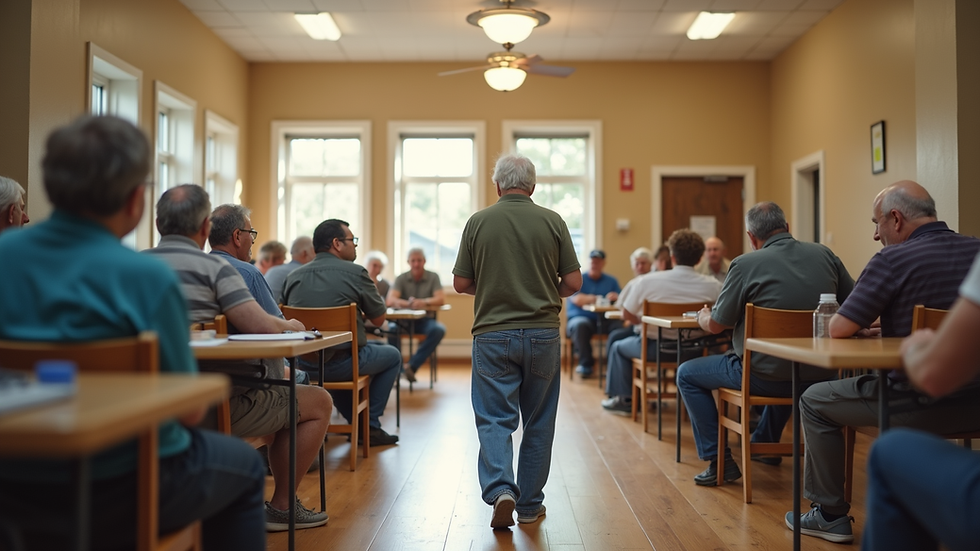
Group Therapy
Group therapy provides a supportive community where veterans can share their experiences with others who understand their struggles. This format fosters connection and reduces feelings of isolation.
Cognitive Behavioral Therapy (CBT)
CBT is a widely used therapeutic approach that focuses on changing negative thought patterns and behaviors. For veterans with PTSD, CBT can help them challenge distorted beliefs about their trauma and develop healthier coping mechanisms.
Eye Movement Desensitization and Reprocessing (EMDR)
EMDR is a specialized therapy designed to help individuals process traumatic memories. This approach involves guided eye movements while recalling distressing events, which can lead to significant reductions in PTSD symptoms.
Family Therapy
Family therapy involves the veteran's loved ones in the healing process. This approach can improve communication, strengthen relationships, and create a supportive home environment for the veteran.
Finding the Right Counseling Service
Choosing the right counseling service is a crucial step in the healing journey. Here are some tips for veterans seeking PTSD counseling:
Research Options
Veterans should research local counseling services that specialize in PTSD treatment. Many organizations, such as the Department of Veterans Affairs (VA), offer resources and referrals.
Check Credentials
It is essential to ensure that the counselor is licensed and experienced in treating PTSD. Look for professionals with specific training in trauma-informed care.
Consider Compatibility
Finding a counselor with whom the veteran feels comfortable is vital. A strong therapeutic alliance can significantly enhance the effectiveness of treatment.
Explore Accessibility
Consider the location and availability of counseling services. Many veterans may prefer in-person sessions, while others may benefit from telehealth options.
The Impact of Counseling on Veterans' Lives
The positive impact of PTSD counseling services on veterans' lives cannot be overstated. Many veterans report significant improvements in their mental health and overall quality of life after engaging in counseling. Here are some real-life examples:
Case Study 1: John’s Journey
John, a combat veteran, struggled with severe PTSD symptoms for years. After seeking counseling, he learned coping strategies that helped him manage his anxiety and flashbacks. Through individual therapy and group sessions, John found a supportive community and began to rebuild his life.
Case Study 2: Sarah’s Transformation
Sarah, a veteran who experienced military sexual trauma, found solace in family therapy. By involving her loved ones in her healing process, she was able to improve communication and strengthen her relationships. This support system played a crucial role in her recovery.
Overcoming Barriers to Seeking Help
Despite the availability of counseling services, many veterans face barriers to seeking help. These barriers can include stigma, lack of awareness, and logistical challenges. Here are some strategies to overcome these obstacles:
Addressing Stigma
Educating veterans and their families about PTSD and the benefits of counseling can help reduce stigma. Open conversations about mental health can encourage veterans to seek the support they need.
Increasing Awareness
Organizations and community groups can play a vital role in raising awareness about available counseling services. Hosting informational sessions and workshops can help veterans understand their options.
Providing Transportation and Accessibility
Logistical challenges, such as transportation, can hinder veterans from accessing counseling services. Community programs that offer transportation assistance can help bridge this gap.
Conclusion
Empowering veterans through PTSD counseling services is essential for their mental health and overall well-being. By providing emotional support, coping strategies, and a safe space for healing, these services play a crucial role in helping veterans reclaim their lives. It is vital for veterans to seek help and for communities to support them in their journey toward recovery. If you or someone you know is a veteran struggling with PTSD, encourage them to explore counseling options and take the first step toward healing.

Comments